Life’s altered you as it’s altered me. What would be the point in living if we didn’t let life change us. – Mr. Carson, Downton Abby
Back before social media and hashtags, someone like me might have been called apostate or rebellious or simply someone who left the church. Perhaps, if people were trying to be compassionate, I might have been called a lost sheep. But now, those of us who have left the church are the deconverts or exvangelicals who have deconstructed our faith.
Deconstruction has become so prevalent since the first Trump candidacy that the church can no longer ignore it. And, as the church tends to do with detractors and those who challenge their considerable power and authority, the talking heads and apologists have come out of the woodwork to discredit us.
We are, of course, still called apostate, rebellious, or lost sheep, but the insults have gone deeper now. We are called people who “lack discernment”, are willful, are proud, or were never true believers. And I feel the animosity has ramped up because many of us are the unexpected.
The church expects “foolish” teenagers and college students to fall away. They often even account for that when they do their demographic studies. They also fully expect those “foolish” young people to return after they have children of their own.
But now it is often Christian college and seminary graduates who are walking away – not just to church hop. It is the well trained and discipled Christian and homeschool graduates who were supposed to be the hope of a Christian Nationalist movement who are bidding the church a not so fond farewell. Now, it is those who have spent decades in professional ministry and who have sat around boardroom tables and in pastoral prayer meetings and taught Sunday School who are brushing the dust off their feet.
And many in evangelical and fundamentalist circles don’t know how to face that. Like most abusive systems, they certainly aren’t going to look within and examine themselves. And so, the gaslighters crawl out of the woodwork. There must be a scapegoat and that scapegoat most certainly can’t be anyone who remains within the ranks.

I came out of the church only after decades of trying to brush repeated abuses aside as if they weren’t regular occurrences. I came out only after years of examining the evidence. I deconstructed and deconverted before I even knew those were terms being used. I felt alone and ashamed and I certainly wasn’t going to announce it to anyone. Like so many of my peers, it took great personal struggle.
Facing what are often lifelong traditions and beliefs and shining a light on the results of those things in one’s own life is no easy matter. It is often humbling to the point of heartbreak.
In the face of that loneliness, many of us find online community. And in conversations within those communities, we learn just how many of us carry shame and regret for our behavior from the years we spent in the church. Contrary to the accusations thrown at us of being proud or lacking in discernment, I find that these people are most often humble and unapologetic in their search for truth. They are no longer easily fooled and have often spent considerable time in a therapist’s office.
So, every time I hear someone describe deconstruction or deconversion as prideful acts, I know that the individual has spent little or no time talking to those who have deconstructed their faith. Or, perhaps, they have done what the church trains people to do. Perhaps they have listened but only with the goal to give an answer and not really to understand.
And every single time I hear someone describe deconstruction or deconversion as prideful, I want to sit down and talk to them about just how many times I have apologized to people or participated in emotional self-flagellation over the past seven or eight years. I’ve honestly lost track. My children have heard the most apologies to the point that they have asked me to stop.
The phrases “I’m sorry”, “I was wrong”, and “I want to make this right” have become normal parts of my vocabulary as I readjusted my view of the world and my place in it.
But I can count on one hand the number of times my Christian friends, family, and fellow church members have apologized to me. And by apologize, I mean without caveats, gaslighting, or other efforts to manipulate. I mean pure, heartfelt apology for wrong or harmful beliefs, behaviors, words, and actions.
In my four decades in evangelical and fundamentalist churches I have received fewer than five genuine apologies from the Christians around me.
Why do you think that is?
As a long-time unapologetic believer, I think that I can answer that question. It is simply because Christians believe that they are right. Always. It is a sin to believe otherwise about their faith. As a result, apologies are impossible without challenging the belief and the system and sometimes the very hand that feeds you.
Click here to find out why the church isn’t sorry.
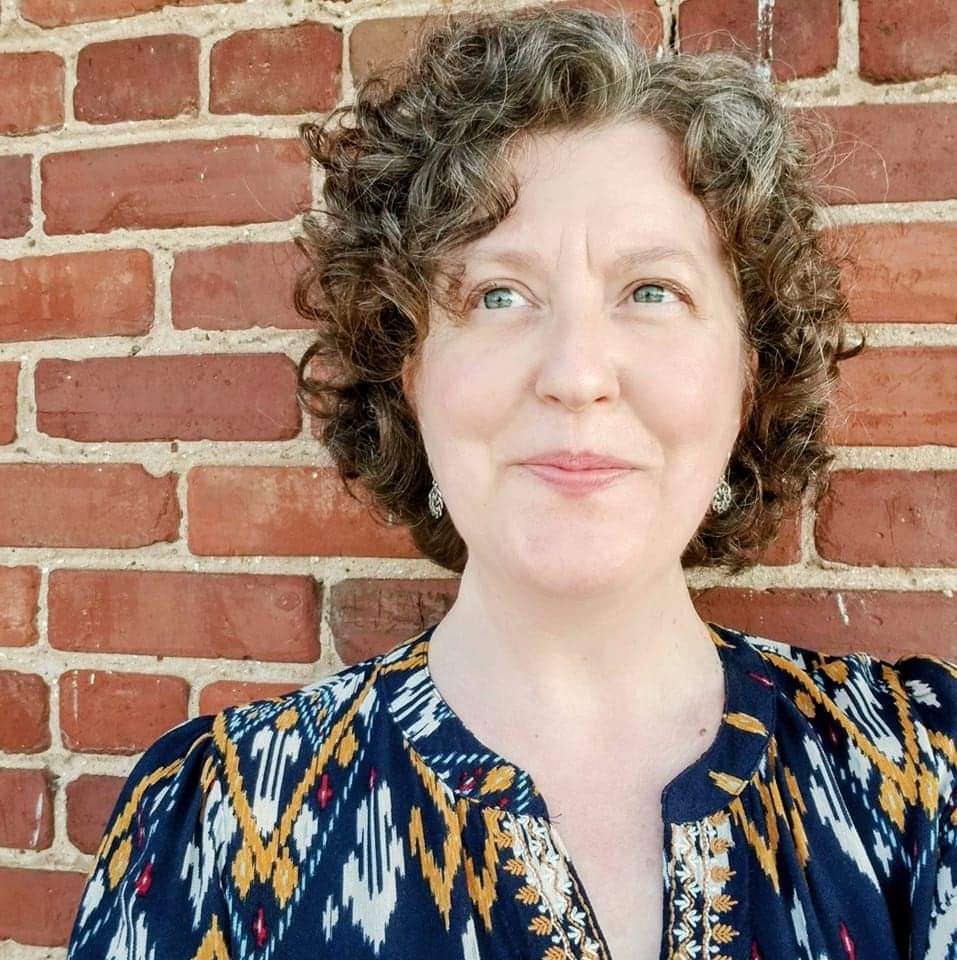
Former evangelical homeschool mom and one-time missionary and pastor’s wife, Stephanie Logan, aka Snicklefritz, writes from her life story and four decades of experience in the evangelical movement. Her views and stories are her own.
Copyright © 2023 snicklefritzchronicles.com




 Snicklefritz Chronicles
Leave a reply to Stephanie Cancel reply